Liver-Friendly Drugs for Alcoholics: Safe Treatment Options That Protect Your Liver
Alcohol addiction is one of the most challenging health battles anyone can experience . For many, the road to recovery requires not just willpower but also medical support. Although , one major concern for people recovering from alcoholism is liver health. Since the liver is the body’s detox powerhouse—and often the first organ to suffer from alcohol abuse—choosing liver-friendly drugs for alcoholics becomes a vital part of treatment.
This article explores medications that help manage alcohol dependence while reducing harm to the liver. We’ll also look at how these drugs work, compare their safety profiles, and share expert-backed insights to help you make informed decisions.
Understanding the Link Between Alcohol and Liver Damage
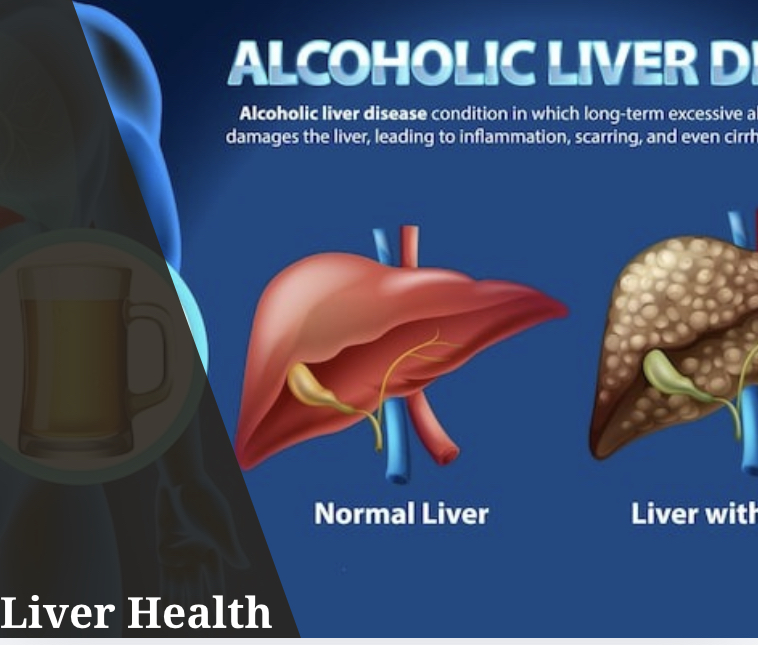
The liver processes more than 90% of the alcohol you drink. Over time, excessive drinking can lead to fatty liver, alcoholic hepatitis, and even cirrhosis. Once the liver is damaged, it struggles to metabolize medications properly, which can make certain drugs toxic.
That’s why doctors are cautious when prescribing medications for alcohol dependence—they must balance effectiveness with liver safety.
If you’re inquisitive about how alcohol detox works and what to expect during recovery, check out our detailed guide on healthplusdrugs.com/alcohol-detox-guide.
Why Liver-Friendly Drugs Matter in Alcohol Recovery
When someone decides to quit drinking, the body goes through withdrawal and intense cravings. Medications can help reduce these symptoms, but if the liver is already compromised, the wrong drug can worsen the damage.
Liver-friendly drugs for alcoholics are designed or selected to:
- Minimize liver metabolism
- Reduce the risk of hepatotoxicity (liver toxicity)
- Support detoxification and healing
- Maintain effectiveness in reducing cravings and withdrawal symptoms
For additional natural ways to protect your liver during recovery, explore our article on healthplusdrugs.com/liver-health-tips.
Top Liver-Friendly Drugs for Alcoholics
Below are some of the most commonly prescribed medications that are considered safer for individuals with liver concerns.
1. Acamprosate (Campral)
Acamprosate is one of the most recommended liver-friendly drugs for alcoholics. Unlike many other medications, it is not metabolized by the liver—it’s excreted through the kidneys. This makes it a safer choice for people with liver impairment.
How it works:
Acamprosate helps restore the chemical balance in the brain disrupted by long-term alcohol use. It reduces cravings and supports long-term abstinence.
Key benefits:
- Safe for those with liver disease
- Minimal drug interactions
- Effective for maintaining sobriety
Note: It should be avoided in people with severe kidney disease.
2. Baclofen
Baclofen is a muscle relaxant that has shown promise in treating alcohol dependence, especially in patients with liver disease.
How it works:
It acts on the GABA receptors in the brain, reducing anxiety and cravings associated with alcohol withdrawal.
Why it’s liver-friendly:
Baclofen is primarily excreted unchanged by the kidneys, meaning it places minimal stress on the liver.
Clinical insight:
According to research published by the National Institutes of Health (https://www.nih.gov), Baclofen has been effective in promoting abstinence among patients with advanced liver disease.
3. Gabapentin
Originally developed for epilepsy and nerve pain, Gabapentin has gained attention as a supportive medication for alcohol withdrawal and relapse prevention.
How it works:
It stabilizes brain activity and reduces anxiety, insomnia, and cravings during recovery.
Liver safety:
Gabapentin is not metabolized by the liver, making it a safe option for alcoholics with liver damage.
Additional benefit:
It can also help improve sleep quality, which is often disrupted during early recovery.
4. Topiramate
Topiramate is another medication that helps reduce alcohol cravings and consumption.
How it works:
It affects neurotransmitters involved in addiction and reward pathways, helping reduce the desire to drink.
Liver impact:
Topiramate is partially metabolized by the liver but is generally considered safe for mild liver impairment when monitored carefully.
5. Naltrexone (Caution Advised)
Naltrexone is effective in reducing the pleasurable effects of alcohol, but it’s not ideal for those with significant liver damage. However, in mild cases, it can still be used under strict medical supervision.
Alternative form:
The injectable form (Vivitrol) bypasses the liver’s first-pass metabolism, making it somewhat safer than the oral version.
Comparison Table: Liver-Friendly Drugs for Alcoholics
|
Drug Name |
Primary Function |
Liver Metabolism |
Best For |
Caution |
|---|---|---|---|---|
|
Acamprosate |
Reduces alcohol cravings |
No (Kidney excretion) |
Patients with liver disease |
Avoid in severe kidney disease |
|
Baclofen |
Reduces anxiety and cravings |
Minimal |
Individuals with cirrhosis |
Use caution in kidney impairment |
|
Gabapentin |
Eases withdrawal and cravings |
No |
Liver-compromised individuals |
May cause drowsiness |
|
Topiramate |
Reduces alcohol intake |
Partial |
Mild liver impairment |
Possible cognitive side effects |
|
Naltrexone |
Blocks alcohol’s pleasurable effects |
Yes |
Mild liver issues (under supervision) |
Avoid in severe liver disease |
Supporting Liver Health During Recovery
Medication alone isn’t enough. Supporting your liver through lifestyle and nutrition is equally important.
Tips for liver recovery:
- Stay hydrated: Water helps flush toxins.
- Eat liver-friendly foods: Include leafy greens, garlic, and turmeric.
- Avoid processed foods and sugar: They add stress to the liver.
- Take supplements wisely: Some, like milk thistle, may support liver function, but always consult your doctor first.
For more insights on liver health and recovery, visit Mayo Clinic (https://www.mayoclinic.org) for expert-backed guidance.
The Role of Medical Supervision
Even liver-friendly drugs can pose risks if taken without medical advice. Doctors often perform liver function tests before prescribing any medication for alcohol dependence. This ensures the chosen drug aligns with your liver’s current condition.
Never self-medicate. The safest path to recovery is one guided by a healthcare professional who understands both addiction and liver health.
Key Takeaways
- Acamprosate, Baclofen, and Gabapentin are the most liver-friendly drugs for alcoholics.
- Always consult a doctor before starting any medication.
- Support your liver with a healthy diet and lifestyle.
- Avoid drugs that heavily rely on liver metabolism if you have liver disease.
Final Thoughts
Recovery from alcohol addiction is a journey that requires courage, patience, and the right medical support. Choosing liver-friendly drugs for alcoholics ensures that your path to sobriety doesn’t come at the cost of your liver’s health.
With the right combination of medication, medical supervision, and lifestyle changes, it’s possible to heal both your body and mind—one step at a time.