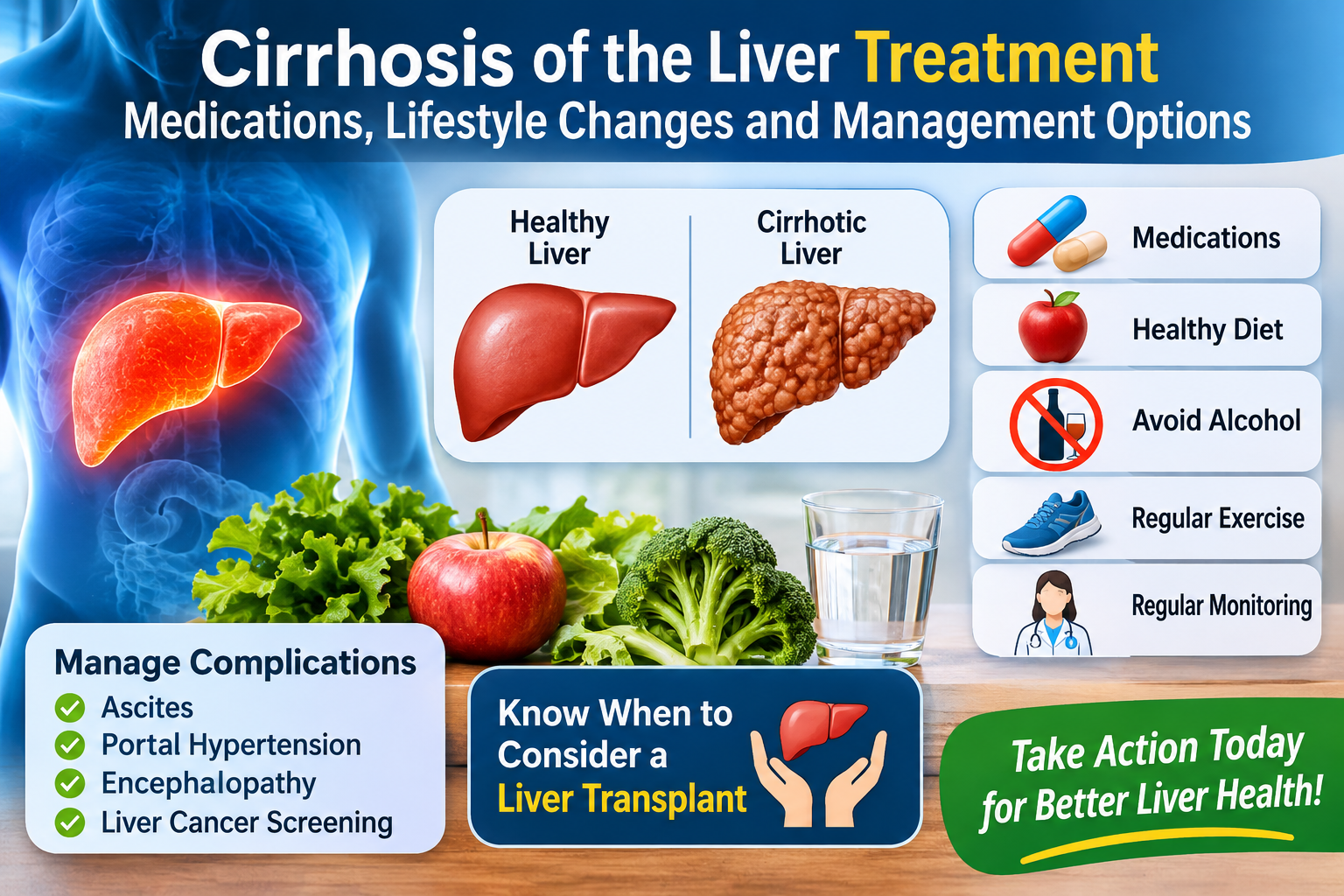
Introduction: Understanding Cirrhosis of the Liver Treatment
The liver performs several important functions that keep the body healthy. It filters harmful substances from the blood, helps digest food, stores essential nutrients and produces proteins that support normal body functions. However, certain diseases and long-term habits can gradually damage this important organ.
One of the most serious conditions that can develop from prolonged liver damage is cirrhosis.
Cirrhosis occurs when scar tissue replaces healthy liver tissue. As the scarring increases, the liver struggles to perform its normal functions. Consequently, a person may experience fatigue, abdominal swelling, jaundice and other complications.
However, receiving a cirrhosis diagnosis does not mean that nothing can help. Although doctors cannot always reverse established liver scarring, they can treat the underlying cause, manage complications and slow further damage.
So, what does cirrhosis of the liver treatment involve? Which medications can help? Can lifestyle changes improve the condition? And when should someone consider a liver transplant?
This guide answers these questions in simple language. It also explains the available treatment options, what patients should avoid and when to seek urgent medical attention.
What Is Cirrhosis of the Liver?
Cirrhosis is a chronic liver disease that develops when repeated or prolonged injury causes scar tissue to build up inside the liver.
A healthy liver contains soft, functioning tissue that allows blood to flow through it. However, cirrhosis changes the liver’s structure. Scar tissue interferes with blood flow and reduces the organ’s ability to perform essential functions.
Over time, the damage may affect several parts of the body. For example, the liver may struggle to remove waste products, regulate nutrients and produce proteins that help blood clot.
What Happens When Cirrhosis Progresses?
Cirrhosis generally develops over many years, although the speed varies from person to person.
At first, the liver may continue to perform most of its functions despite the scarring. Doctors call this stage compensated cirrhosis.
However, as the damage advances, the liver may no longer meet the body’s needs. At this point, complications such as fluid accumulation, internal bleeding and confusion may develop. Doctors call this stage decompensated cirrhosis.
Common Causes of Liver Cirrhosis
Several health conditions and lifestyle factors can cause cirrhosis. The most common include:
- Long-term alcohol use: Excessive alcohol consumption can cause inflammation and permanent liver damage.
- Chronic hepatitis B: This viral infection can gradually damage liver cells.
- Chronic hepatitis C: Without appropriate treatment, the infection may lead to long-term inflammation and scarring.
- Metabolic dysfunction-associated steatotic liver disease (MASLD): Fat accumulation in the liver can cause inflammation and scarring, particularly in people with obesity, diabetes or metabolic problems.
- Autoimmune hepatitis: This condition occurs when the immune system mistakenly attacks the liver.
- Bile duct diseases: Conditions such as primary biliary cholangitis can damage the bile ducts and eventually cause cirrhosis.
- Inherited conditions: Wilson disease and haemochromatosis can cause harmful substances to accumulate in the liver.
Importantly, some people have more than one cause of liver damage. Therefore, doctors must identify the specific cause before choosing the most appropriate treatment.
Symptoms of Liver Cirrhosis You Should Know
Cirrhosis does not always produce noticeable symptoms during its early stages. In fact, some people discover the condition during routine blood tests or medical examinations.
Nevertheless, symptoms may appear as liver damage progresses.
Early Symptoms of Cirrhosis
Some common early symptoms include:
- Persistent tiredness and weakness.
- Loss of appetite.
- Unexplained weight loss.
- Nausea.
- Mild abdominal discomfort.
- Itchy skin.
- Muscle cramps.
- Reduced energy levels.
These symptoms can occur with many other conditions. Therefore, they do not automatically mean that someone has cirrhosis.
Symptoms of Advanced Cirrhosis
As the disease progresses, more serious symptoms may develop, including:
- Yellowing of the skin and eyes, known as jaundice.
- Swelling of the abdomen due to fluid accumulation.
- Swelling of the legs and ankles.
- Easy bruising or bleeding.
- Dark urine.
- Confusion or difficulty concentrating.
- Vomiting blood or passing black, tarry stools.
These symptoms require medical attention. In particular, vomiting blood, black stools, severe confusion or fever with abdominal swelling may indicate a medical emergency.
How Do Doctors Treat Cirrhosis of the Liver?
There is no single medication that cures every case of cirrhosis. Instead, doctors develop a treatment plan based on the underlying cause, the extent of liver damage and the complications affecting the patient.
For this reason, two people with cirrhosis may receive completely different treatments.
Generally, cirrhosis management focuses on five important areas:
- Treating the condition that caused liver damage.
- Preventing further liver injury.
- Managing complications.
- Maintaining proper nutrition and overall health.
- Assessing the need for a liver transplant when necessary.
Treatment Depends on the Stage of Cirrhosis
Doctors often classify cirrhosis as compensated or decompensated.
| Feature | Compensated Cirrhosis | Decompensated Cirrhosis |
| Liver function | The liver still performs many essential functions | Liver function has deteriorated significantly |
| Symptoms | May be absent or mild | Often includes serious complications |
| Common complications | May have none | Ascites, bleeding or hepatic encephalopathy |
| Treatment focus | Treat the cause and prevent progression | Manage complications and assess transplant needs |
| Medical monitoring | Regular follow-up | Closer specialist monitoring |
Although compensated cirrhosis may produce few symptoms, patients still need regular medical care. Similarly, decompensated cirrhosis requires prompt specialist assessment because complications can become life-threatening.
Medications Used for Cirrhosis of the Liver Treatment
Medication plays an important role in managing cirrhosis. However, doctors do not prescribe every medicine to every patient.
Instead, they select medications according to the cause of the disease and the complications that develop.
The following table highlights some commonly used medicines and their purposes.
Common Cirrhosis Medications and Their Uses
| Medication | Main Purpose | Common Use |
| Spironolactone | Removes excess fluid | Ascites and fluid retention |
| Furosemide | Increases urine production | Fluid accumulation |
| Lactulose | Reduces ammonia absorption | Hepatic encephalopathy |
| Rifaximin | Reduces certain gut bacteria | Recurrent hepatic encephalopathy |
| Carvedilol | Reduces pressure in portal circulation | Selected patients with portal hypertension |
| Tenofovir or entecavir | Suppresses hepatitis B virus | Hepatitis B-related liver disease |
| Direct-acting antivirals | Treat hepatitis C infection | Hepatitis C-related liver disease |
| Prednisolone | Suppresses immune activity | Selected cases of autoimmune hepatitis |
These medicines serve different purposes. Therefore, patients should only use them under medical supervision.
- Spironolactone for Abdominal Fluid Accumulation
Spironolactone is a diuretic that helps the body remove excess salt and water through urine.
Doctors commonly prescribe it to patients who develop ascites, a condition in which fluid accumulates inside the abdomen.
In cirrhosis, increased pressure in the portal vein and changes in the body’s fluid regulation can cause fluid to collect around the abdominal organs.
Spironolactone helps reduce this accumulation. However, doctors may monitor potassium levels and kidney function because the medication can cause potassium levels to rise.
- Furosemide for Fluid Retention
Furosemide is another diuretic that helps the kidneys remove excess salt and water.
Doctors may combine it with spironolactone when a patient has significant fluid retention. The combination can help control abdominal swelling and leg oedema.
However, furosemide can affect blood pressure, kidney function and electrolyte levels. Consequently, patients need regular monitoring while taking it.
- Lactulose for Hepatic Encephalopathy
Hepatic encephalopathy occurs when toxins, particularly ammonia, accumulate and affect brain function.
The condition may cause confusion, forgetfulness, unusual behaviour, sleep disturbances and difficulty concentrating.
Lactulose helps reduce ammonia absorption from the intestines. It also increases bowel movements, allowing the body to remove more ammonia through stool.
Doctors adjust the dose according to the patient’s response. In many cases, they aim for two to three soft bowel movements daily rather than excessive diarrhoea.
- Rifaximin for Recurrent Hepatic Encephalopathy
Rifaximin is an antibiotic that works mainly inside the intestines.
Doctors often prescribe it alongside lactulose for patients who experience repeated episodes of hepatic encephalopathy.
It reduces certain intestinal bacteria that produce ammonia and other substances that can affect brain function.
However, rifaximin does not replace lactulose in every treatment plan. Doctors decide whether the combination is appropriate based on the patient’s medical history.
- Carvedilol and Other Beta-Blockers
Portal hypertension occurs when scarring inside the liver makes it difficult for blood to flow normally through the organ. As a result, pressure increases in the portal vein.
This increased pressure can cause enlarged veins, known as varices, to develop in the oesophagus or stomach.
Carvedilol and other non-selective beta-blockers can help reduce portal pressure in selected patients. Consequently, they may lower the risk of bleeding from varices.
However, these medicines can reduce blood pressure and may not suit everyone. A liver specialist must assess the patient’s condition before prescribing them.
- Antiviral Medicines for Hepatitis B and C
Chronic hepatitis B and C infections can cause long-term liver inflammation and eventually lead to cirrhosis.
Fortunately, modern antiviral treatments can control or eliminate these infections.
For hepatitis B, doctors may prescribe medicines such as tenofovir or entecavir. These medicines suppress viral activity and reduce further liver injury.
For hepatitis C, doctors use direct-acting antiviral medicines. These treatments cure more than 95% of people with chronic hepatitis C in many treatment settings.
However, curing hepatitis C does not automatically remove established cirrhosis. Patients still need follow-up care and screening for complications.
- Prednisolone for Autoimmune Hepatitis
Autoimmune hepatitis develops when the immune system mistakenly attacks healthy liver cells.
Doctors may prescribe prednisolone, sometimes alongside azathioprine, to reduce inflammation and control the immune response.
However, these medicines do not suit every patient with cirrhosis. Doctors must carefully assess the stage of liver disease and the risks of immunosuppressive treatment before prescribing them.
Treatment of Major Cirrhosis Complications
Cirrhosis can affect several organs and body systems. Therefore, managing complications forms a major part of treatment, particularly in advanced disease.
Treatment for Ascites
Ascites refers to fluid accumulation inside the abdomen. It can cause abdominal swelling, discomfort, difficulty breathing and reduced appetite.
Doctors may recommend a combination of treatments, including:
- Reducing dietary sodium.
- Taking prescribed diuretics such as spironolactone and furosemide.
- Monitoring body weight and kidney function.
- Undergoing paracentesis when large amounts of fluid accumulate.
Paracentesis is a medical procedure that allows doctors to remove excess abdominal fluid using a needle or tube.
Additionally, doctors may test the fluid for infection. If ascites becomes difficult to control, they may consider other procedures or assess the patient for liver transplantation.
Treatment for Portal Hypertension and Varices
Portal hypertension increases the risk of enlarged veins in the oesophagus and stomach.
These veins can rupture and cause serious internal bleeding.
To reduce this risk, doctors may prescribe non-selective beta-blockers such as carvedilol or perform an endoscopic procedure called band ligation.
During band ligation, a specialist places small bands around enlarged veins to stop or prevent bleeding.
However, anyone who vomits blood or passes black, tarry stools needs emergency medical attention.
Treatment for Hepatic Encephalopathy
Hepatic encephalopathy affects brain function when the damaged liver cannot adequately remove certain toxins from the blood.
Doctors commonly use lactulose to reduce ammonia absorption. They may also add rifaximin when the patient experiences recurrent episodes.
In addition, doctors look for factors that may trigger the condition, such as infections, constipation, dehydration, gastrointestinal bleeding or certain medications.
Treating these triggers can help improve the patient’s mental state and reduce the likelihood of another episode.
Treatment for Infections
People with advanced cirrhosis have an increased risk of certain infections.
For example, bacteria can infect the fluid that accumulates inside the abdomen. Doctors call this condition spontaneous bacterial peritonitis.
Doctors treat bacterial infections with appropriate antibiotics. Moreover, some high-risk patients may need preventive antibiotics under specialist supervision.
Fever, abdominal pain or sudden confusion in someone with cirrhosis requires urgent medical assessment.
Liver Cancer Screening
Cirrhosis increases the risk of developing hepatocellular carcinoma, the most common type of primary liver cancer.
Therefore, doctors generally recommend regular liver cancer surveillance for eligible patients, commonly using an ultrasound examination every six months, sometimes alongside a blood test called alpha-fetoprotein.
Early detection can improve treatment options. For this reason, patients should attend their scheduled screening appointments even when they feel well.
Lifestyle Changes That Support Cirrhosis Treatment
Medication alone cannot address every problem associated with cirrhosis. Lifestyle changes also play an important role in protecting the remaining healthy liver tissue.
Although these changes cannot replace medical treatment, they can help patients manage their condition and reduce additional liver injury.
- Stop Drinking Alcohol Completely
Alcohol can cause further liver damage, particularly in people who already have cirrhosis.
Therefore, patients with alcohol-related cirrhosis should stop drinking completely. They should also avoid restarting alcohol consumption even when symptoms improve.
People who struggle with alcohol dependence can seek professional treatment and counselling. In addition, medical teams can provide support to help them stop drinking safely.
- Follow a Balanced, Nutritious Diet
Good nutrition supports the body and helps prevent muscle loss, which commonly affects people with advanced cirrhosis.
Patients should discuss their dietary needs with a doctor or registered dietitian.
A suitable eating plan may include:
- Vegetables and fruits.
- Whole grains.
- Fish and other appropriate protein sources.
- Beans and other legumes.
- Healthy fats.
- Adequate calories throughout the day.
However, patients with ascites may need to limit sodium intake. A healthcare professional can recommend an appropriate amount based on the patient’s condition.
- Avoid Raw or Undercooked Seafood
People with cirrhosis face a higher risk of serious infections from certain foodborne bacteria.
For this reason, they should avoid raw or undercooked shellfish, fish and meat.
Instead, they should prepare food thoroughly and follow proper food hygiene practices.
- Maintain a Healthy Body Weight
Excess body weight can contribute to fatty liver disease and metabolic problems.
Therefore, patients with overweight or obesity may benefit from gradual, medically supervised weight management.
However, people with advanced cirrhosis should avoid extreme dieting. Rapid weight loss can worsen malnutrition and muscle loss.
- Exercise According to Medical Advice
Regular physical activity can help maintain muscle strength, mobility and general wellbeing.
Walking, light resistance exercises and other suitable activities may benefit some patients.
Nevertheless, the intensity should match the patient’s physical condition. People with advanced disease or significant complications should discuss an exercise plan with their healthcare team first.
- Avoid Unapproved Medicines and Herbal Supplements
Some prescription medicines, over-the-counter drugs and herbal products can worsen liver injury.
For example, certain painkillers and supplements may cause problems in people with cirrhosis.
Therefore, patients should consult their doctors or pharmacists before taking any new medicine, vitamin or herbal preparation.
Comparison of Cirrhosis Treatment Options
Different treatments address different aspects of cirrhosis. The following table provides a simple comparison.
| Treatment Option | Main Benefit | When Doctors May Recommend It |
| Antiviral medicines | Control or cure viral infections | Hepatitis B or C-related disease |
| Diuretics | Reduce excess fluid | Ascites and swelling |
| Lactulose | Reduce ammonia absorption | Hepatic encephalopathy |
| Rifaximin | Reduce recurrent encephalopathy episodes | Repeated hepatic encephalopathy |
| Beta-blockers | Reduce portal pressure | Selected patients with portal hypertension |
| Dietary changes | Support nutrition and fluid management | Most patients, depending on their needs |
| Paracentesis | Remove abdominal fluid | Large or uncomfortable ascites |
| Liver transplant | Replaces the failing liver | Selected patients with advanced disease |
Importantly, no single treatment works for every patient. Doctors combine different approaches according to the patient’s needs.
Can Cirrhosis of the Liver Be Reversed?
This is one of the most common questions people ask after receiving a cirrhosis diagnosis.
The answer depends on the cause, the extent of scarring and how effectively doctors control the underlying disease.
In many cases, established cirrhosis causes permanent structural changes in the liver. Therefore, patients should not assume that medication or lifestyle changes will completely remove the scar tissue.
However, treating the underlying cause can slow or stop further damage. Some patients may also experience improvements in liver function, particularly when they receive treatment early and avoid additional injury.
For example, treating hepatitis C can remove the infection. Similarly, stopping alcohol consumption can prevent further alcohol-related damage.
Nevertheless, patients with cirrhosis still need regular monitoring because complications can develop even after the original cause improves.
When Is a Liver Transplant Necessary?
A liver transplant is an operation in which surgeons replace a severely damaged liver with a healthy donor liver.
Doctors may recommend transplant evaluation when cirrhosis progresses to advanced liver failure or causes serious complications that other treatments cannot adequately control.
Signs That a Patient May Need a Transplant Assessment
Doctors may consider transplant evaluation when a patient develops:
- Recurrent or difficult-to-control ascites.
- Repeated episodes of hepatic encephalopathy.
- Severe complications from portal hypertension.
- Serious liver-related bleeding.
- Worsening liver function.
- Hepatorenal syndrome, a serious kidney complication associated with advanced liver disease.
Doctors use clinical assessments and scoring systems, including MELD-based scores, to estimate disease severity and help guide transplant decisions.
However, not everyone with cirrhosis needs a transplant. A specialist transplant team evaluates each patient’s overall health, disease severity and suitability for surgery.
How Doctors Diagnose and Monitor Cirrhosis
Effective treatment begins with an accurate diagnosis. Doctors use several tests to confirm cirrhosis, identify its cause and monitor disease progression.
Blood Tests
Blood tests can help doctors assess liver function, inflammation, blood clotting and kidney health.
Common tests include:
- Liver enzymes such as ALT and AST.
- Bilirubin.
- Albumin.
- Platelet count.
- Prothrombin time and INR.
- Kidney function tests.
These results help doctors understand how well the liver performs its functions. However, blood tests alone cannot always confirm or exclude cirrhosis.
Ultrasound and Other Imaging Tests
An abdominal ultrasound can help doctors examine the liver’s size, shape and structure.
Additionally, doctors may recommend CT scans, MRI scans or specialised imaging techniques to assess liver damage and detect complications.
Liver Fibrosis Assessment
Doctors may use elastography, including FibroScan, to measure liver stiffness.
Increased stiffness can suggest fibrosis or cirrhosis. However, inflammation and other conditions can also affect the results.
Liver Biopsy
In selected cases, doctors may recommend a liver biopsy.
During this procedure, a specialist collects a small sample of liver tissue for laboratory examination.
A biopsy can help clarify the diagnosis or identify the cause of liver damage. Nevertheless, doctors do not need to perform one in every patient.
Warning Signs That Require Immediate Medical Attention
Cirrhosis can cause complications that become life-threatening without prompt treatment.
Therefore, patients and their families should recognise the warning signs.
Seek emergency medical attention if someone with cirrhosis experiences:
- Vomiting blood or material that looks like coffee grounds.
- Black, tarry or bloody stools.
- Sudden confusion or unusual behaviour.
- Severe difficulty staying awake.
- Fever accompanied by abdominal pain or swelling.
- Severe or rapidly worsening jaundice.
- Difficulty breathing.
- Sudden deterioration in general health.
Do not wait for these symptoms to disappear on their own. Instead, seek emergency medical care immediately.
Frequently Asked Questions About Cirrhosis of the Liver Treatment
- What Is the Best Treatment for Cirrhosis of the Liver?
There is no single best treatment for every patient. The most effective approach depends on the underlying cause, disease stage and existing complications.
Doctors may combine antiviral medicines, diuretics, treatments for hepatic encephalopathy, dietary changes and other medical procedures.
- Can Medication Cure Liver Cirrhosis?
Medication can treat some underlying causes and control complications. For example, antiviral medicines can cure hepatitis C and suppress hepatitis B.
However, medication does not reliably remove established cirrhosis. Patients still need medical monitoring even when treatment improves their condition.
- What Foods Should Someone With Cirrhosis Avoid?
People with cirrhosis should avoid alcohol and raw or undercooked seafood.
Additionally, patients with fluid retention may need to reduce sodium intake. They should also avoid unapproved herbal products and supplements that may harm the liver.
A registered dietitian can help develop an appropriate meal plan.
- Can Someone With Cirrhosis Live a Normal Life?
Some people with compensated cirrhosis continue their daily activities for many years, especially when they receive appropriate treatment and follow medical advice.
However, the condition requires regular monitoring. Advanced cirrhosis may limit daily activities and require more intensive medical care.
- How Long Can Someone Live With Liver Cirrhosis?
Life expectancy varies widely. It depends on the cause of cirrhosis, the amount of liver damage, the presence of complications and the patient’s response to treatment.
People with compensated cirrhosis generally have a better outlook than those with decompensated disease.
A liver specialist can provide a more meaningful assessment using clinical findings and disease-severity scores.
- Is Liver Cirrhosis Always Fatal?
No. A cirrhosis diagnosis does not automatically mean that someone will die from the disease.
Many patients manage the condition for years with appropriate treatment and follow-up. Nevertheless, advanced cirrhosis can cause life-threatening complications and may require a liver transplant.
- Can a Person With Cirrhosis Take Painkillers?
Some painkillers can worsen kidney function, increase bleeding risk or cause additional problems in people with cirrhosis.
For example, non-steroidal anti-inflammatory drugs such as ibuprofen and naproxen may be unsafe, particularly in patients with ascites or kidney problems.
Patients should ask their doctors before taking any pain medication, including over-the-counter products.
- Does Cirrhosis Require Surgery?
Most patients do not need surgery specifically to treat cirrhosis.
However, doctors may perform procedures such as paracentesis or endoscopic band ligation to manage complications. In advanced cases, they may recommend a liver transplant.
Final Thoughts on Cirrhosis of the Liver Treatment
Cirrhosis is a serious liver condition, but patients still have treatment options. The most important step involves identifying the underlying cause and addressing it as early as possible.
Modern medicine offers several ways to manage cirrhosis, including antiviral medications, diuretics, treatments for hepatic encephalopathy and procedures for complications such as ascites and variceal bleeding.
In addition, healthy eating, complete alcohol avoidance, appropriate physical activity and regular medical check-ups can support treatment.
However, patients should never rely on herbal remedies or unprescribed medications as substitutes for professional care.
If you or someone close to you has received a cirrhosis diagnosis, consult a qualified healthcare professional or liver specialist. With the right treatment plan, careful monitoring and timely intervention, many people can manage the condition and improve their quality of life.
Medical Disclaimer: This article provides general health information for educational purposes. It does not replace professional medical advice, diagnosis or treatment. Always consult a qualified healthcare professional before starting, stopping or changing any medication